Valentine's Day Sales Without the Cringe: A Guide to Authentic Seasonal Marketing

Kirti Poonia
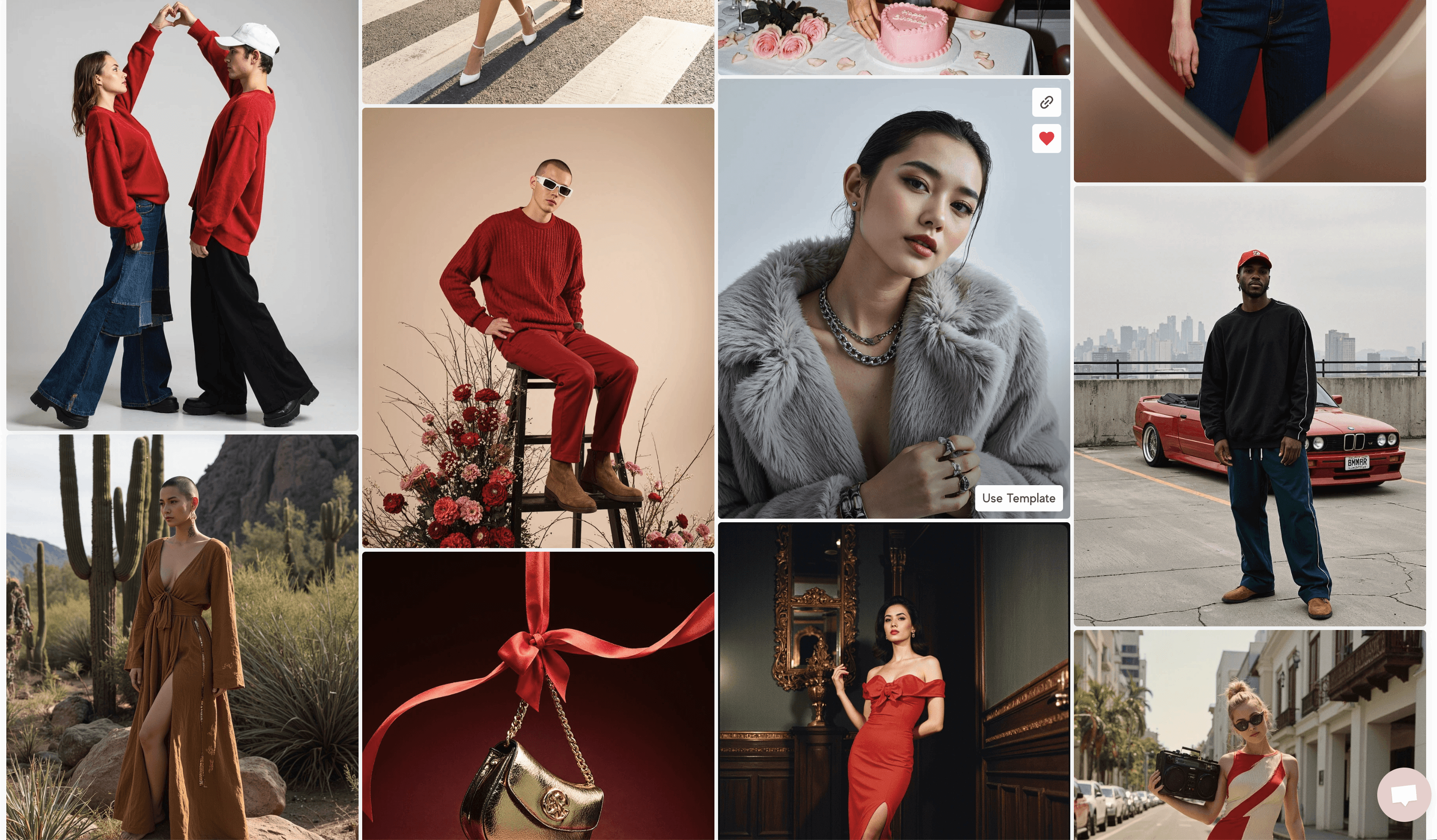
You're a fashion brand founder. You've built something special. Your brand has a voice. A personality. People know what you stand for. Then February rolls around.
Suddenly, your inbox is full of "Valentine's Day Campaign Ideas!" Your competitors are posting heart emojis everywhere. And you're thinking: Do I really need to do this?
Here's the truth: You don't have to turn your brand into a Valentine's Day circus just because everyone else is doing it.
But you also don't want to miss out on people who are actually ready to spend money right now. So what do you do?
Let's figure it out together.

The Valentine's dilemma:
Think about it like this: Imagine your favorite coffee shop suddenly decorating everything with pink hearts and cupids. The same place that usually feels cool and modern now looks like a kid's birthday party.
Would you still go there? Maybe. But it would feel... weird. That's what happens when brands force Valentine's Day marketing. They become unrecognizable.
Here's why authenticity beats participation every single time:
When you stay true to who you are, people trust you more. When you chase trends you don't believe in, people can tell. And trust? That's worth way more than one holiday's sales. Think of your brand like your personality. You wouldn't completely change how you talk just because it's Valentine's Day, right? Your brand shouldn't either.
Quick framework: Should your brand even do Valentine's marketing?
Before you even start planning your marketing campaigns, answer these three questions honestly:
1. Do people actually gift your products?
If you sell jewelry, clothing, or beauty products? Yes, people gift these things.
If you sell industrial equipment or office supplies? Probably not the Valentine's gift most people are looking for.It's okay to admit if your product doesn't fit. Fashion brands have a natural advantage here – people love gifting clothes and accessories.
It's okay to admit if your product doesn't fit. Fashion brands have a natural advantage here – people love gifting clothes and accessories.
2. Does "romance" or "connection" fit your brand values?
Some brands are built on love, connection, and relationships. Others are built on power, independence, or adventure. Both are great! But they need different approaches.
3. Can you add value beyond "buy this for your partner"?
If your only message is "buy our stuff," that's not Valentine's marketing. That's just sales pressure. Good Valentine's content helps people. It solves problems. It tells stories.
What Happens When Brands Get It Wrong
Remember when [brand name redacted] – known for edgy, independent messaging – suddenly posted about "finding your soulmate in our products"? Their comments section exploded. "What happened to you?" "This isn't the brand I loved." "Are you okay?"
They lost followers. They lost trust. And probably didn't even make that many sales. The cost of being fake is always higher than the cost of sitting out a trend.
Four Approaches That Actually Work (And Don't Feel Forced)

Okay, so you've decided Valentine's marketing could work for you. Great! Here's how to do it without selling your soul.
1. The Self-Love Angle
Instead of "buy this for someone else," try "treat yourself."
This works because:
People actually want to buy things for themselves
It includes everyone (single, coupled, complicated – doesn't matter)
It feels modern and empowering
Perfect for: Beauty brands, wellness products, fashion, home goods
Example message: "Valentine's Day? More like 'Treat Yourself Day.' You deserve this." See? No cupids. No pressure. Just you being you.
2. The Helpful Gift Guide Approach
Instead of pushing sales, position yourself as a helper. Think of it like this: Your friend is stuck. They don't know what to get their partner. You help them out. That's it.
The formula:
"What to gift [specific type of person] in your life" Make it useful beyond Valentine's (works for birthdays, anniversaries, "just because"). Focus on solving their problem, not on making a sale.
Example: "The person who says they don't want anything (but actually do): A guide". This works because you're being useful. People remember brands that help them.
3. The Anti-Valentine's Campaign
For brands with edgier positioning, lean into the opposite.
Celebrate:
Friendship (hello, Galentine's Day!)
Independence
The fact that not everyone loves this holiday
Humor about the whole situation
Perfect for: Streetwear brands, alternative fashion, brands with younger audiences
This approach says: "We get it. This holiday can be a lot. Let's do something different."
The key? Don't be mean or bitter. Be fun. Be real. Be the friend who makes everyone laugh.
4. The Practical Connection
This one's simple: Focus on what actually lasts.
"Gifts that won't end up in a drawer by March"
Talk about:
Quality over quick trends
Things that people will actually use
Durability and thoughtfulness
Perfect for: Sustainable brands, practical products, premium goods
This positions you as the smart choice. The grown-up choice. The "we're above the Valentine's hype but still got you covered" choice.
Visuals: Creating Photos Without the Cliché

Let's talk about how your images should look.
What to avoid:
Red hearts everywhere (unless that's literally your brand already)
Roses in every single shot (we've all seen it a thousand times)
Overly staged couple photos that look like stock images
The same pink-and-red color scheme everyone else uses
What to do instead:
Use lifestyle imagery – Show your products being used in real ways. Not "couple on date" unless that's genuinely your brand. Just real people doing real things.
Subtle seasonal colors – A touch of pink or red mixed with your actual brand colors. Not a Valentine's explosion. Think: "Oh, there's a hint of the season" not "MY EYES."
Focus on the product – E-commerce photography works best when the product is the star. Style it well, make it look elevated, but keep it clean.
Show diversity – Not all relationships look the same. Not everyone celebrating is in a traditional couple. Your images should reflect reality.
Real Brand Examples
✅ DO'S: Show a person wearing your scarf, looking confident, in your usual photo style with just a soft pink background.
❌ DON'T: Show a couple holding hands with hearts floating around them when you've never shown couples before.
✅ DO'S: Feature your usual models wearing your products, maybe in slightly warmer tones.
❌ DON'T: Suddenly switch to overly romantic, staged scenarios that look nothing like your other content.
How to Update Your Photos Fast (Without a Reshoot)
Here's where AI fashion photography becomes your secret weapon. You already have product photos. You don't have time or budget for a Valentine's photoshoot. What do you do?
Solution: Use AI tools to:
Swap backgrounds to warmer, softer settings
Add subtle seasonal touches without reshooting
Create diverse model options showing your products on different people
Test different visual directions before committing
Platforms like Caimera let fashion brands create Valentine's-appropriate visuals in minutes, not days. Upload your product. Choose a template. Adjust the vibe to match your brand. Done.
The best part? You can test multiple visual styles to see what your audience actually responds to – all without spending thousands on a traditional photoshoot.

Messaging That Converts (Without Making You Cringe)
Let's talk about the words you use.
What doesn't work:
❌ "Show them how much you care" – Too generic. Everyone says this.
❌ Heart emojis in every subject line – It's lazy and people ignore it.
❌ Cupid references – Unless your brand is literally about mythology, skip it.
❌ "Love is in the air" variations – Please, no. This is what brands say when they have nothing real to say.
What actually works:
✅ Specific, helpful subject lines:
"5 gifts that won't end up in a drawer"
"What to get someone who says they don't want anything"
"Things that look expensive but aren't"
✅ Problem-solution framing:
"They said they don't want anything. Here's what they actually mean."
"Last-minute gift that doesn't look last-minute"
"For people who hate Valentine's Day (but love good stuff)"
✅ Benefit-focused language:
Instead of: "The perfect Valentine's gift"
Try: "The [product] that starts conversations"
✅ Your actual brand voice, just seasonally aware:
If you're usually funny, be funny
If you're usually direct, be direct
If you're usually poetic, be poetic
Just... acknowledge the season exists
The formula that works: Your normal voice + helpful information + light seasonal awareness = Great Valentine's content
Timing: Don't Rush at the Last Minute

Here's when different people actually shop:
Last-minute shoppers: February 10-13
These people need fast shipping and clear messaging
Focus on "arrives before Valentine's Day"
Make checkout super simple
Planners: Late January
They want to browse and think about it
Give them options and comparisons
Share early to give them time
Early birds: Right after New Year's
Yes, they exist
They love being prepared
Don't ignore them just because it feels early
Your Content Calendar Should Look Like This:
Early January:
Soft launch with gift guides
No pressure, just helpful content
"Thinking ahead" messaging
Late January:
Main campaign launch
Email series begins (but not daily – that's annoying)
Social media content picks up
February 1-9:
Consistent presence but not overwhelming
Remind people without nagging
Show different product options
February 10-14:
Last-minute focus
"Still time!" messaging
Fast shipping emphasis
February 15:
Different opportunity! (More on this in a second)
The Bottom Line: Your Brand Comes First.
Here's what it all comes down to: Yes, Valentine's Day is a sales opportunity. But your brand reputation is worth more than one day's revenue.
You can participate in Valentine's Day without becoming a Valentine's Day brand. The secret? Stay yourself. Just show up where your customers are.
Think of it like going to a themed party. You can wear something that nods to the theme without completely changing who you are. Same shirt you'd normally wear, but maybe in red. That's it.

You Have Permission To:
✅ Skip Valentine's Day entirely if it doesn't fit your brand
✅ Do a minimal, authentic nod to the holiday without going all-in
✅ Focus on what your brand does best, just timed for the season
✅ Say "no" to trends that don't align with your values
✅ Make money without compromising your identity
Quick Decision Framework:
Ask yourself:
Does this sound like me?
Would my customers expect this?
Am I helping or just selling?
Would I be proud of this in March?
If you answered "yes" to all four, go for it. If not, rethink it.
Final Thoughts
Valentine's Day comes every year. Your brand reputation doesn't reset annually. Play the long game. If Valentine's marketing feels right – do it authentically. If it doesn't – skip it confidently.
Either way, your customers will respect you more for being real than for following trends that don't fit. Now go build something that feels like you.
Your customers are waiting for that – not another heart emoji.
Ready to create Valentine's content that actually matches your brand? Explore how AI photography tools can help you test ideas and create visuals faster – without losing your authentic voice.