Why Women Win at Fashion: Female Leaders Reshaping The Industry
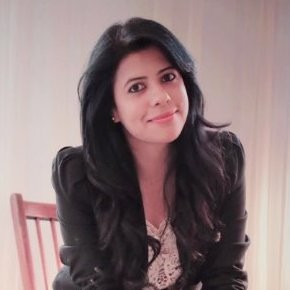
Kirti Poonia
Women buy most of the clothes in the world. They make most of the clothes in the world. And yet, for decades, men ran most of the companies selling those clothes.
The numbers are hard to ignore. Women account for 85% of global fashion consumption. Nearly 80% of garment workers are women. But only 14% of the world's largest fashion companies are led by women.
Here is the twist. That 14% includes some of the most commercially successful brands on the planet right now. Dior. Chanel. Saint Laurent. Inditex. Spanx. Nykaa.
The question is not just why so few women make it to the top. The real question is: when they do, why do they so often win?
This article looks at 15 women running or building major fashion empires. It also asks what the industry still needs to fix.
The Numbers: Progress Is Real but Slow
In 2015, women held 17% of C-suite positions across major fashion companies. By 2024, that number had climbed to 29%.
Progress. But not parity.
The appointments coming through now are not token gestures. They are succession decisions at some of the most valuable fashion addresses in the world. Delphine Arnault at Christian Dior. Leena Nair at Chanel. Francesca Bellettini as Deputy CEO of Kering.
These are not experiments. These are bets on leadership.
And the brands are growing.
15 Women Running Fashion's Biggest Names
Here are 15 women who have built, run, or transformed some of the most recognised names in fashion today.
Luxury House Leaders
1. Delphine Arnault - CEO, Christian Dior (LVMH)
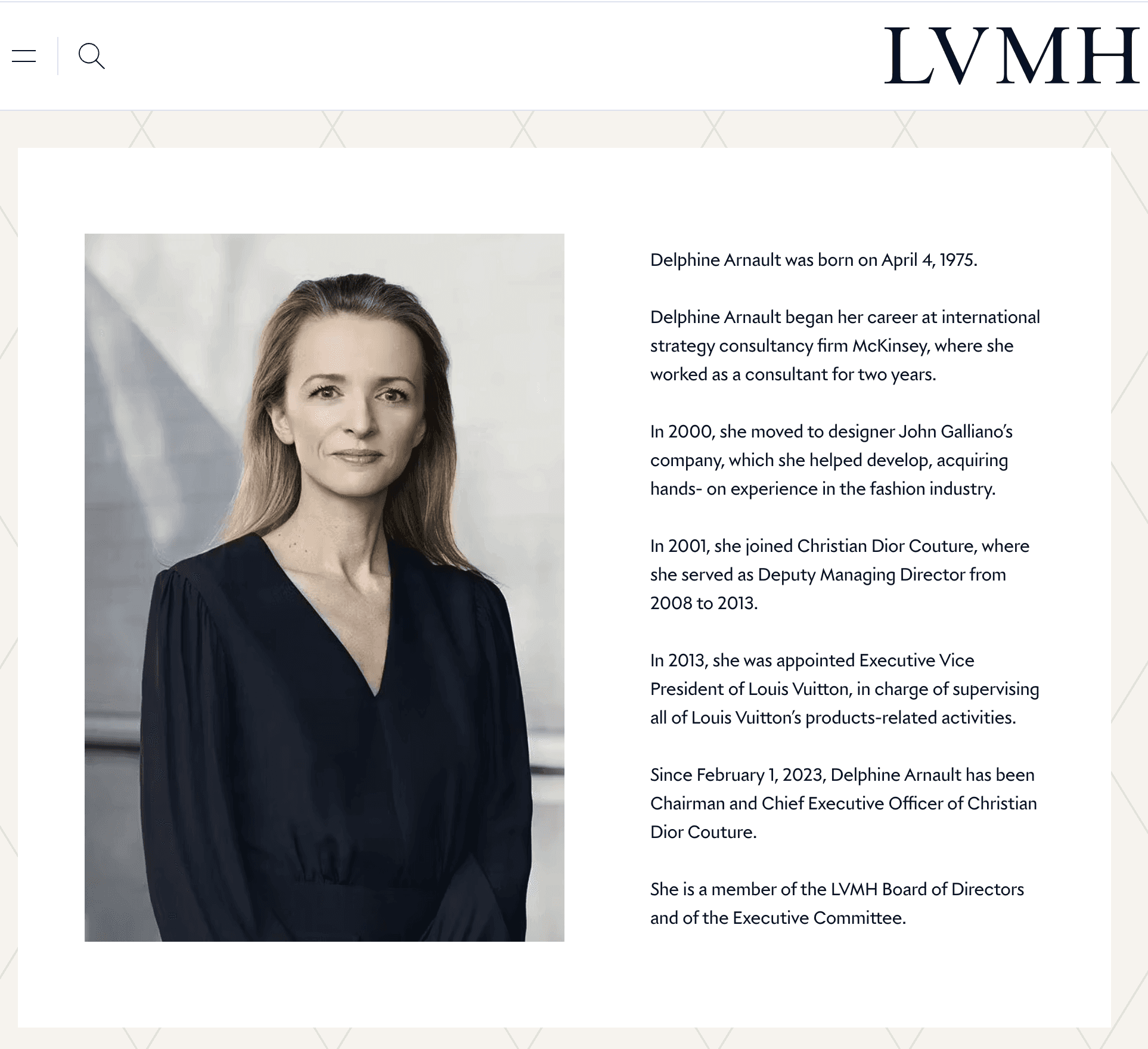
Image credit - LVMH
Delphine Arnault was appointed CEO of Christian Dior in February 2023. She is the eldest daughter of LVMH founder Bernard Arnault. But she earned this role. She spent years championing emerging designers through the LVMH Prize and helping shape Dior into one of the group's crown jewels. She also sits on Phoebe Philo's board of directors. At LVMH, she is the most senior woman in a group that controls dozens of luxury brands.
2. Leena Nair - Global CEO, Chanel
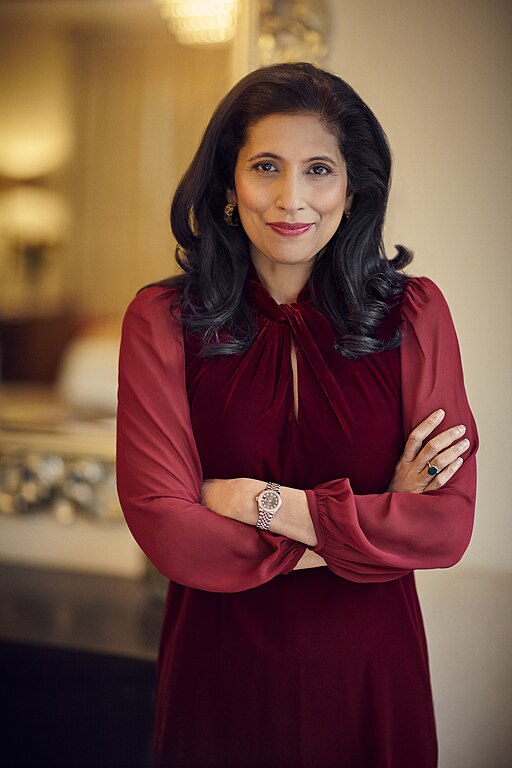
Image credit Wikimedia
Leena Nair came to Chanel in 2022 after 30 years at Unilever. She was Unilever's Chief Human Resources Officer. At Chanel, she has significantly expanded the Fondation Chanel, turning it into one of the world's largest philanthropic organisations focused on women and girls. She is an outsider leading one of fashion's most secretive houses. And she is doing it her own way.
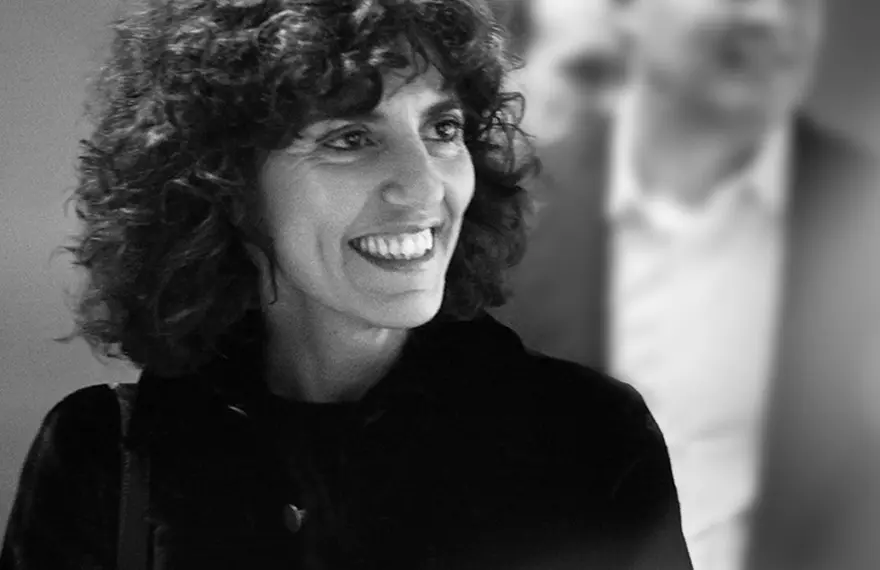
3. Francesca Bellettini - Deputy CEO, Kering / CEO, Saint Laurent
Images courtesy - Kering
Francesca Bellettini has been CEO of Saint Laurent since 2013. In 2023, she was also named Deputy CEO of Kering. Under her leadership, Saint Laurent's revenue grew dramatically. She turned a heritage house into a modern luxury powerhouse without losing its identity. She is now one of the most influential women in global fashion.
4. Séverine Merle - CEO, Celine (LVMH)

Image credit - Séverine Merle | LinkedIn
Séverine Merle has led Celine since 2017. She stepped into the role as the brand was undergoing a creative transformation under Hedi Slimane. Steering a house through that kind of change, while keeping commercial momentum, is no small task. She did both.
5. Pascale Lepoivre - CEO, Loewe (LVMH)
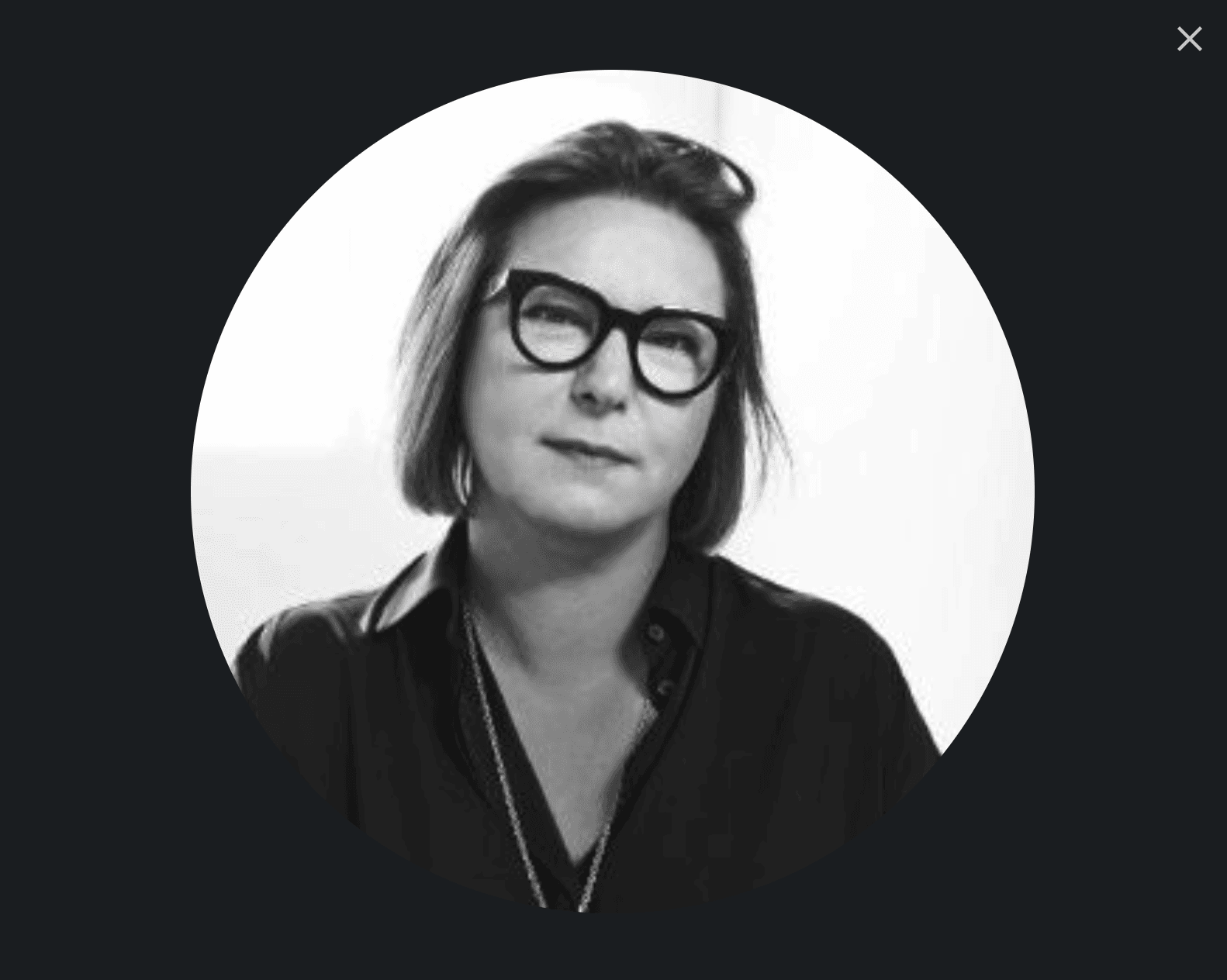
Image credit - Pascale Lepoivre | LinkedIn
Pascale Lepoivre has been CEO of Loewe since 2016. Loewe has become one of fashion's most talked-about houses. Under Jonathan Anderson's creative direction and Lepoivre's commercial leadership, the brand became a genuine cultural moment. The two together built something most luxury houses only dream of.
6. Silvia Onofri - CEO, Miu Miu
Silvia Onofri took over as CEO of Miu Miu in early 2026. She previously led Napapijri, where she successfully rebranded the outdoor label for a new generation. Miu Miu was already Lyst's Brand of the Year in 2023. Onofri's job is to make that momentum last.
Mass Market and Retail Leaders
7. Marta Ortega - Chair, Inditex (Zara)
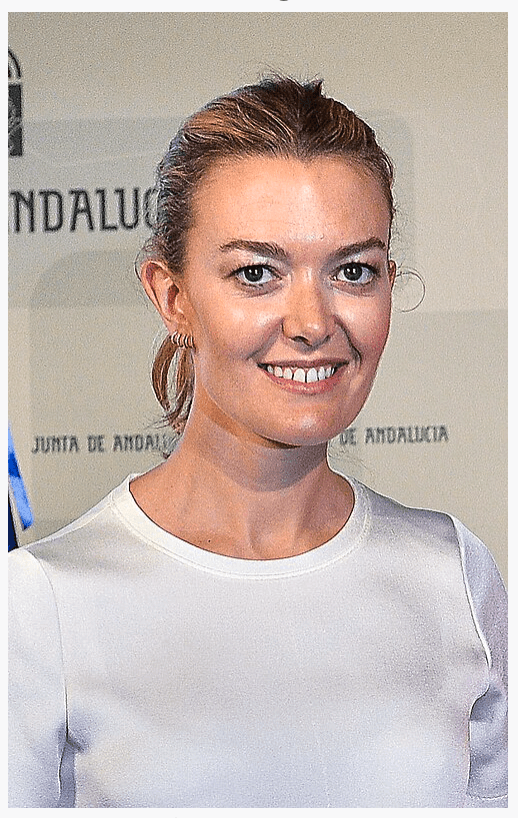
Image credit - Wikipedia
Marta Ortega became Chair of Inditex in 2022. She is the daughter of founder Amancio Ortega. She started as a sales assistant at Zara in London. Then she worked her way through the business for 15 years before taking the Chair role. The company has grown under her leadership despite fierce competition from Shein and Temu. She proved the doubters wrong. It is worth noting: the CEO of Inditex is male. Ortega holds the Chair, which puts her at the top of the board.
8. Hillary Super - CEO, Victoria's Secret
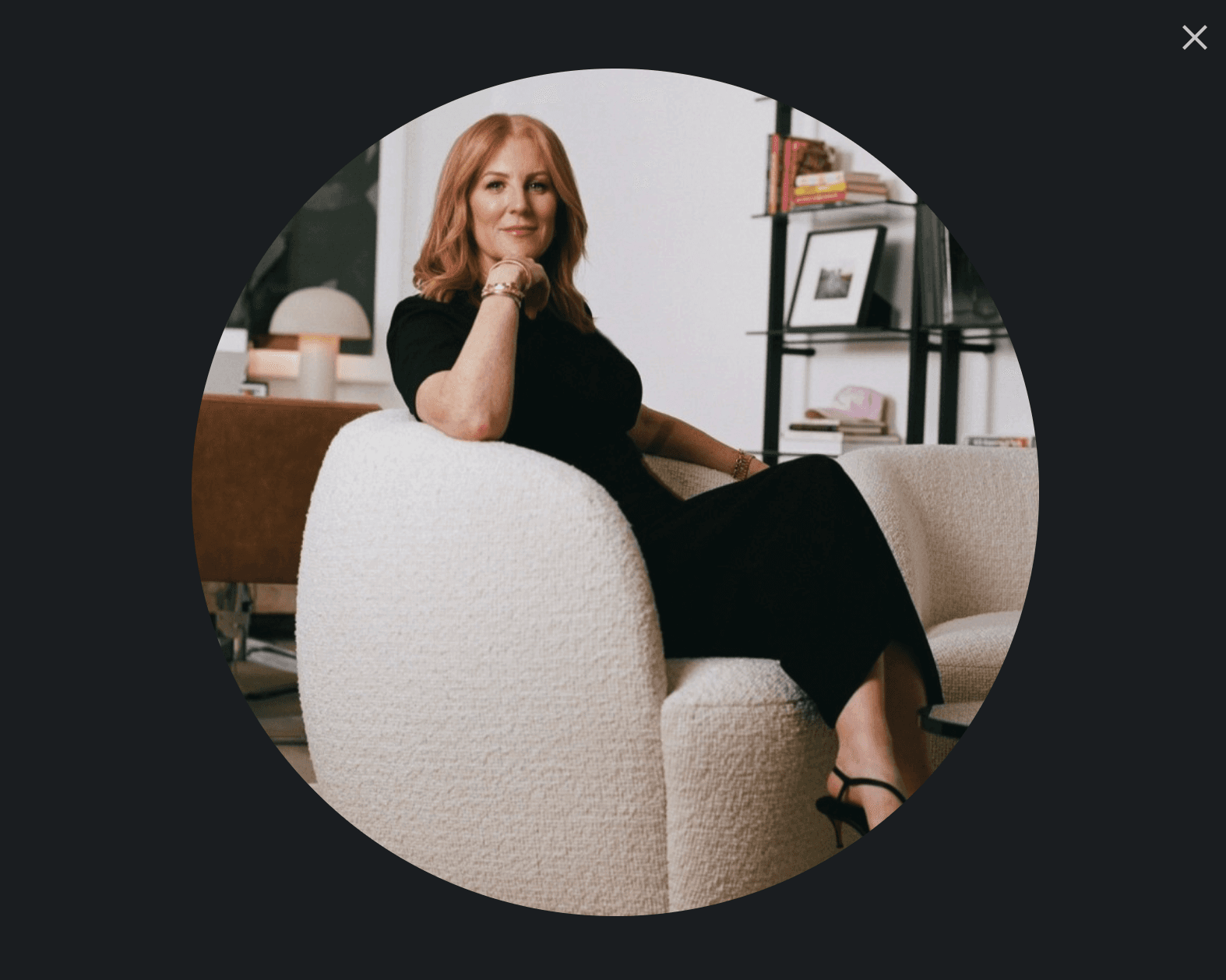
Image credit - Hillary Super | LinkedIn
Hillary Super took the CEO role at Victoria's Secret in 2024. She brought experience from Gap, American Eagle Outfitters, Guess, Anthropologie, and Fenty. That is a CV built across almost every market segment in fashion. Victoria's Secret had a rough few years before her arrival. The brand needed rebuilding. Super arrived with the range of experience to do it.
9. Berta de Pablos-Barbier - CEO, Pandora
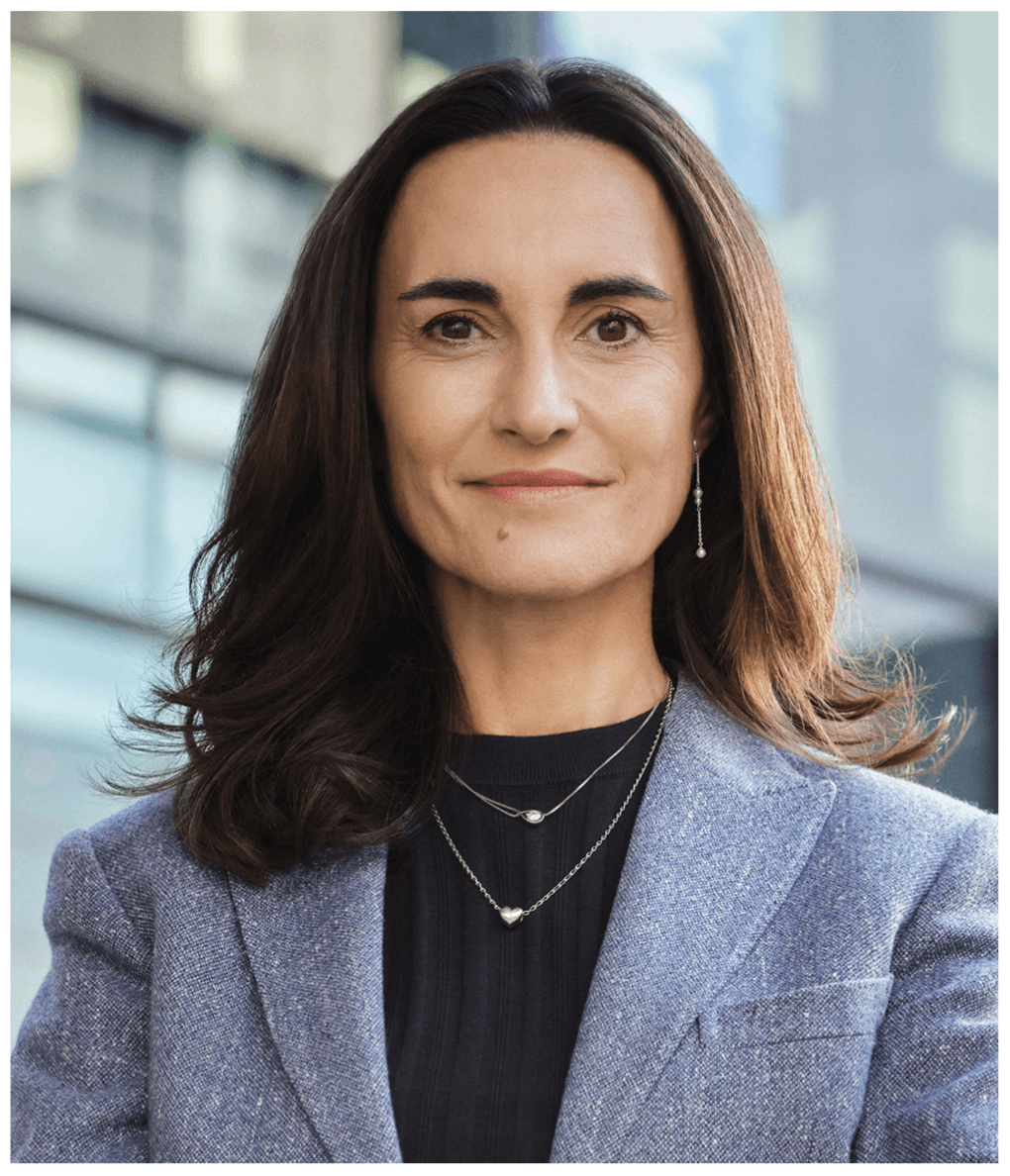
Image credit - Pandora
Berta de Pablos-Barbier became CEO of Pandora in January 2026. She previously led the brand's marketing area before stepping into the top role. She has worked at Boucheron, Lacoste, Mars, and LVMH. Pandora is the world's largest jewellery brand by volume. It is a big job. And she took it.
The Founder-Builders
10. Miuccia Prada - Co-CEO and Chief Creative Director, Prada Group
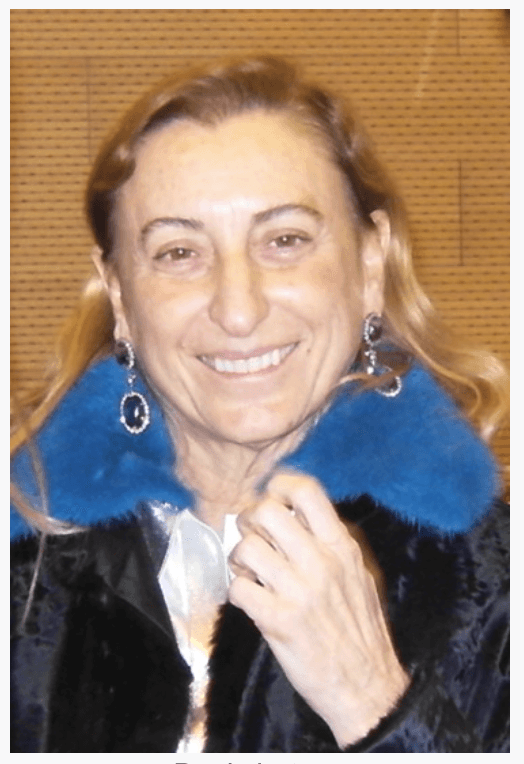
Image credit - Wikipedia
Miuccia Prada has been at the helm of the Prada Group since 1978. She took over a family luggage business and turned it into one of the most influential luxury houses in the world. She is Co-CEO and Chief Creative Director. She also built Miu Miu from scratch, naming it after her own family nickname. Her approach to fashion is intellectual. Her results are commercial. She has done both for nearly five decades.
11. Sara Blakely - Founder, Spanx
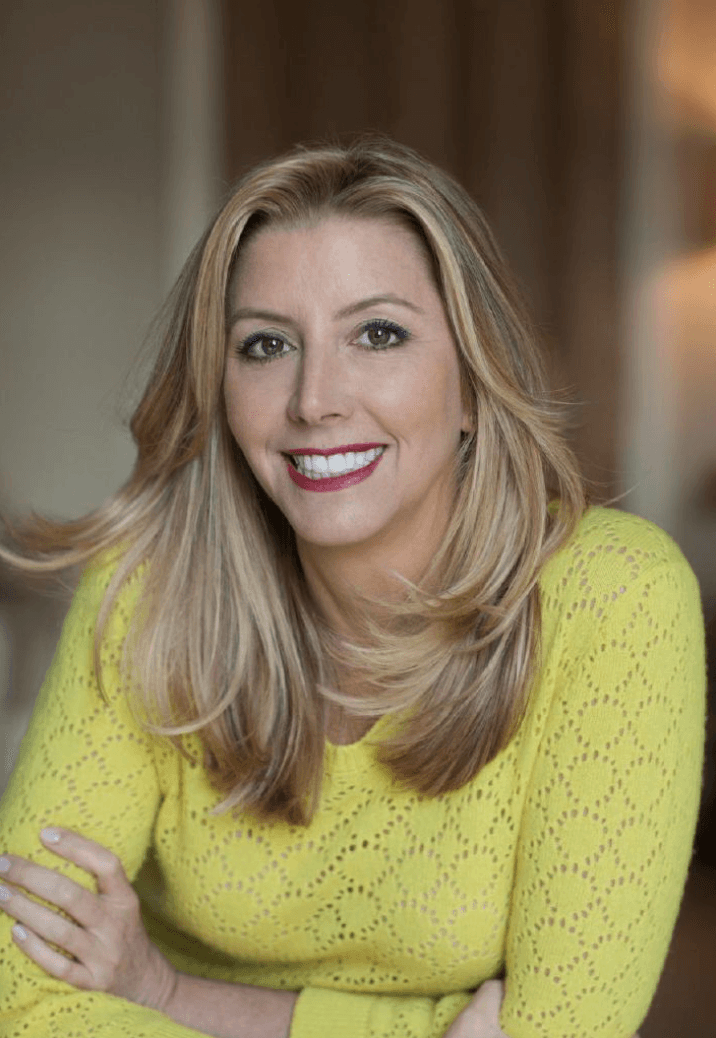
Image credit - Wikimedia Commons
Sara Blakely started Spanx with $5,000 in savings and no business training. She sold fax machines door-to-door before she had the idea. By 2012, Forbes named her the world's youngest self-made female billionaire. In 2021, Blackstone acquired a majority stake, valuing Spanx at $1.2 billion. Blakely became Executive Chairwoman. She celebrated by giving each of her 750 employees $10,000 in cash. In 2024, she launched Sneex, a footwear brand focused on high-heeled sneakers. She is still building.
12. Stella McCartney - Founder and CEO, Stella McCartney
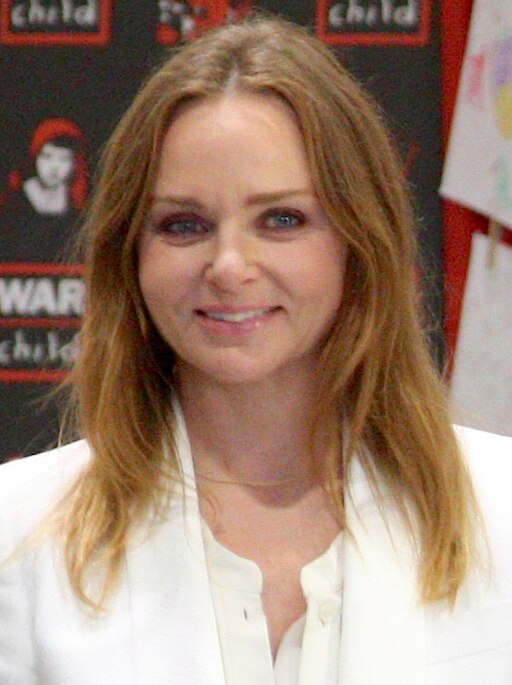
Image credit - Wikimedia Commons
Stella McCartney launched her label in 2001 and immediately broke with industry norms. No leather. No fur. No PVC. Ever. She championed sustainable fashion before it was a marketing strategy. Anna Wintour said: it was impossible to think of luxury and sustainability in the same breath before Stella changed that. Her collaboration with Adidas, now over 20 years old, is one of fashion's most durable partnerships. She is now also Special Adviser on Sustainability to LVMH's Bernard Arnault.
13. Falguni Nayar - Founder and CEO, Nykaa
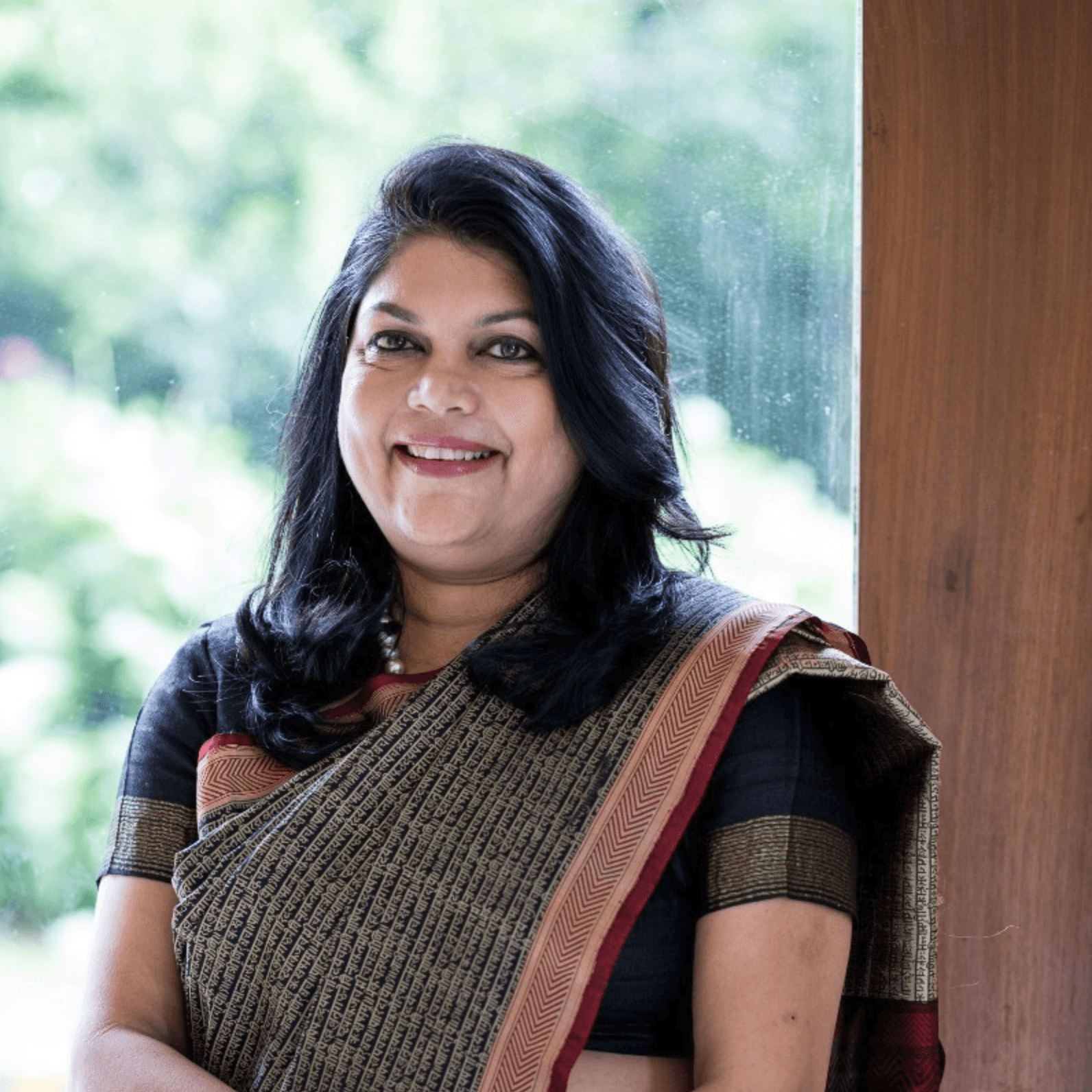
Image credit - Wikiflux
Falguni Nayar founded Nykaa in India in 2012. She was 49 years old when she started it. She had spent 18 years as a banker at Kotak Mahindra. Nykaa became India's first woman-led unicorn to go public. It is now one of Asia's most important fashion and beauty platforms. She is one of the few self-made female billionaires on the continent. Her story matters most because she started late and won anyway.
14. Diane von Furstenberg - Founder and Brand Ambassador, DVF
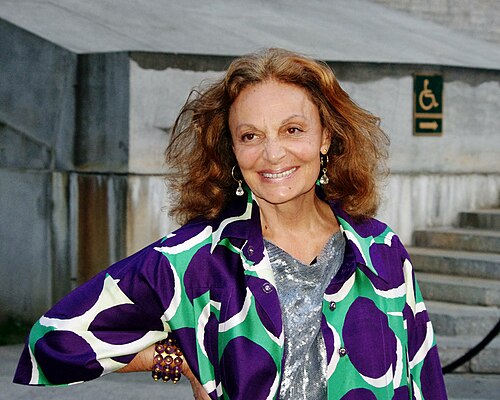
Image credit - Wikipedia
Diane von Furstenberg created the wrap dress in the 1970s. It became a symbol of women's freedom and power. She built DVF into a global brand. She served as Chair of the CFDA for over a decade. Today she operates as Brand Ambassador for her label, still speaking at women's empowerment events and funding the DVF Awards, which support women leaders around the world. She built a fashion house. Then she became bigger than it.
15. Katrina Lake - Founder, Stitch Fix
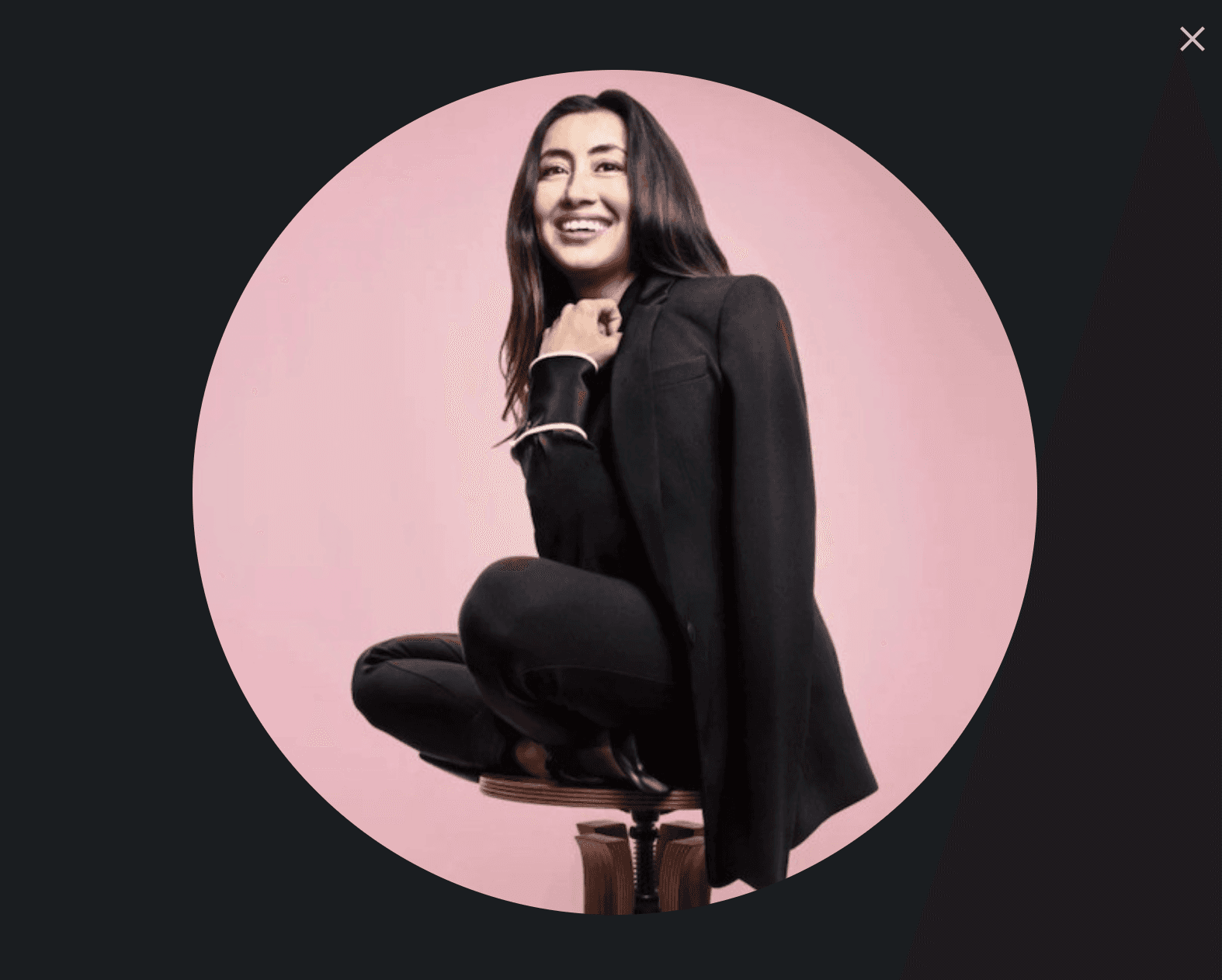
Image credit - Katrina Lake | LinkedIn
Katrina Lake started Stitch Fix from her apartment while completing her Harvard MBA. She combined data science with personal styling. She took the company public in 2017. Stitch Fix became one of the most talked-about retail models of the decade. Lake stepped back from the day-to-day CEO role but remains one of the most influential figures in fashion technology. She showed that fashion and data could work together long before it was obvious.
Why Fashion? Three Reasons This Industry Is Different
Most industries produce far fewer female leaders than fashion does. That is not a coincidence.
The consumer is female.
When 85% of your buyers are women, brands that are led by women have a genuine understanding advantage. They know the customer. They have lived the problem the product is trying to solve. That is not a soft advantage. It shows up in product decisions, in marketing, in how returns are handled.
Fashion rewards instinct, not just credentials.
Finance and law are credential-locked. Fashion rewards taste, cultural timing, and creative vision. These are not things that require a particular degree or background. Sara Blakely had none of the standard qualifications. Diane von Furstenberg started with a design and a belief. Falguni Nayar started at 49. The door is not open for everyone. But it is open in a different way than it is in other industries.
The founder path is real.
You can start a fashion brand in your kitchen. You can build it slowly, own it fully, and grow it into something worth billions. Tory Burch did. Sara Blakely did. Stella McCartney did. The founder path gives women a route to the top that bypasses the corporate ladder entirely. That matters when the corporate ladder is still, in most industries, harder to climb as a woman.
What Still Needs to Change
This is not a success story with a clean ending. It is a story in progress.
The glass cliff is real. Research shows women are more likely to be appointed to leadership roles during a crisis. Hillary Super walked into Victoria's Secret when the brand was struggling. That is not an anomaly. It is a pattern. Women get the top job when the stakes are highest and the risk of failure is greatest.
Boardroom numbers still lag. Women hold around 37% of fashion retail board roles globally. C-suite progress has not translated into boardroom parity.
The promotion gap persists. As Rachel Thomas, CEO of Lean In, has noted: companies tend to promote men based on potential, and women based on what they have already accomplished. That creates a structural headwind that no individual can overcome alone.
And the founder path, while real, is not equally accessible. Capital flows toward male founders at a ratio that has barely shifted in a decade. Women-led fashion startups still face harder fundraising conversations for the same idea.
What This Means for Fashion Brands Today
Something is changing in how fashion brands think about content and representation.
Female leadership correlates with faster adoption of inclusive imagery. Brands led by women tend to show diverse body types, represent more demographics, and move faster when customer expectations shift.
That shift is now being supported by technology. AI fashion photography platforms are making it possible for brands of all sizes to show products on diverse models without the cost gatekeeping of traditional photoshoots. A fashion startup in its first year can now produce professional on-model imagery at scale. That was not possible five years ago.
The brands leading in fashion photography are the ones thinking about representation as a commercial advantage, not just an ethical one. And increasingly, the people driving those decisions are women.
The tools are catching up with the vision. The vision was always there.
The Bigger Picture
The fashion industry is changing. The 14% figure will not hold for long. Too many of the new appointments are women. Too many of the brands growing fastest right now are led by women.
The women on this list did not get there because of quotas or moments. They got there because they were good. And in many cases, better.
Leena Nair left a 30-year corporate career to lead one of the world's most secretive luxury houses. Falguni Nayar built a billion-dollar company starting at an age when most executives are winding down. Miuccia Prada turned a luggage brand into a cultural institution over five decades.
None of that happened by accident.
Fashion has always known what women are capable of. It just took a while for the boardrooms to catch up.