How to Plan a Fashion Brand Campaign Photoshoot (2026)

Shivangini Padhiyar
By Shivangini — a decades-seasoned advertising professional who remembers when you had to earn the light. Last updated 24 April 2026.
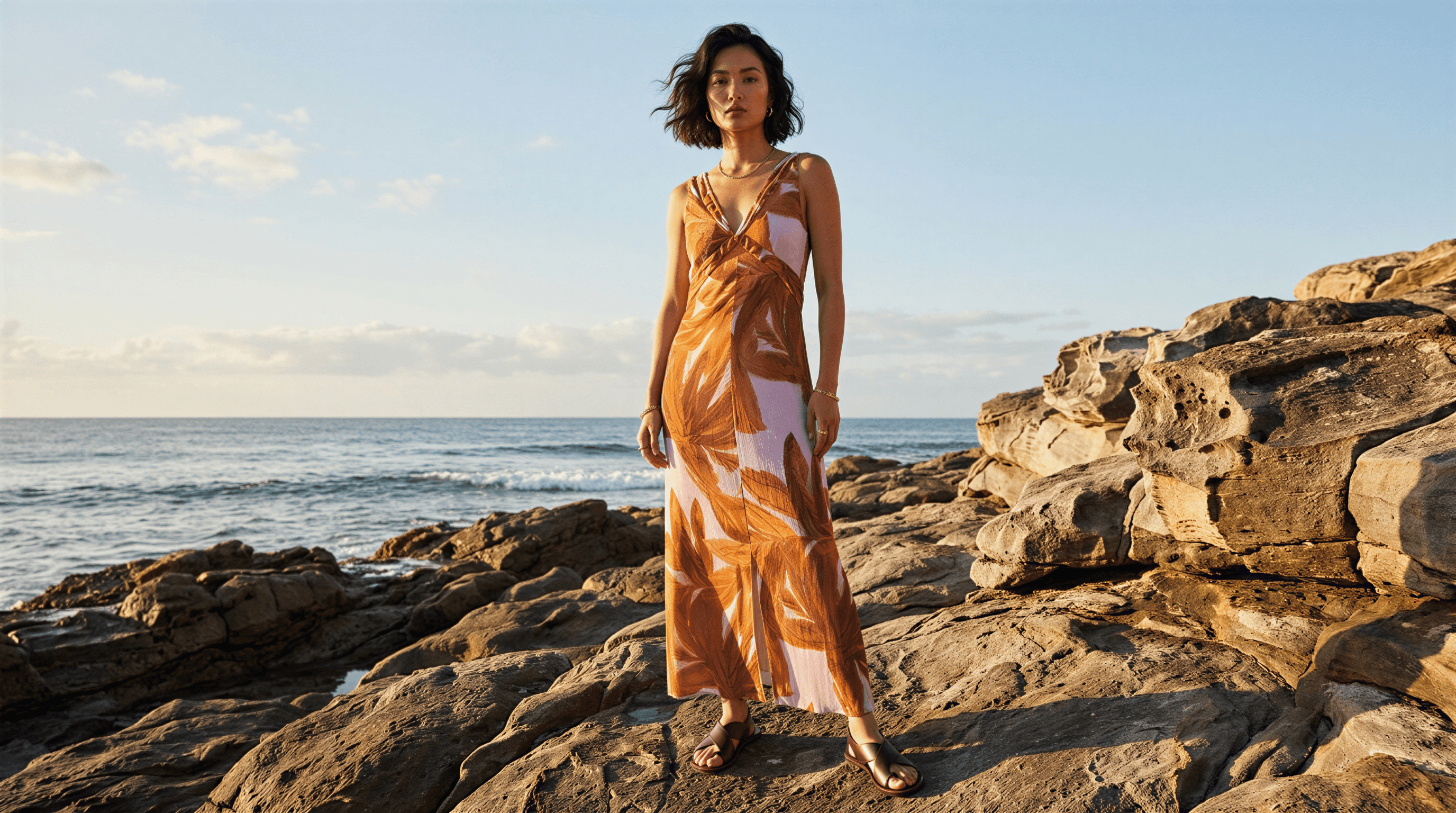
Planning a fashion brand campaign photoshoot in 2026 means getting four decisions right before anyone walks on set: your target audience, your moodboard, your brief, and your lighting. Nail those, and the shoot day becomes a performance of what you already know. Miss one, and no camera, studio, or AI tool rescues it.
There is a particular scene that plays out at almost every shoot. The coffee is terrible, someone has misplaced the call sheet, the model's flight landed forty minutes late. And yet, when the photographer finally raises the camera, everything that was chaos becomes intention. That moment does not arrive by accident. It arrives because someone sat down and did the unglamorous, necessary work of planning.
If you are a young brand owner stepping into your first campaign photoshoot, allow me to tell you something the Instagram tutorials will not. The difference between a shoot that produces five usable frames out of a hundred and one that produces fifty out of a hundred is almost entirely decided before anyone walks on set. It is decided in the planning. And planning is an art form in itself.
Key Takeaways
Plan the target audience before the moodboard, or every downstream decision drifts.
A working moodboard covers four things: mood, light, colour story, movement.
A precise brief unlocks collaboration; a vague brief forces photographers to default to their own aesthetic instead of yours.
Lighting is the one creative decision post-production cannot fake.
In 2026, AI workflows compress the catalog layer of a shoot to minutes — editorial campaigns still reward old-school discipline.
Know Your Target Audience Before You Touch a Moodboard
In my experience, this is where most first-time brand owners get seduced by aesthetics too early. They fall in love with a reference image — some sun-drenched editorial usually shot in a foreign land that has blue skies year round — without first asking the most fundamental question in any campaign: who are you actually talking to?
So here is a TA 101. Your target audience is not just a demographic. It is a sensibility. It is the person who sees your campaign image scroll past on their phone at 11 p.m. and feels something — a subconscious recognition, desire, aspiration — before their conscious brain has even registered what they are looking at. Every creative decision you make from this point forward should be legible to that person.
Are they 24 and living in a city apartment, spending their disposable income on delicious discounts as they listen to Billie Eilish? Are they 38, flying business class to a spa holiday, catching up on LinkedIn on the way? Are they idealists? Are they fashionistas? The lighting, the model casting, the location, the palette — all of it shifts depending on the answer. Nail your target audience first. Everything else follows.
Build a Moodboard That Actually Does Something
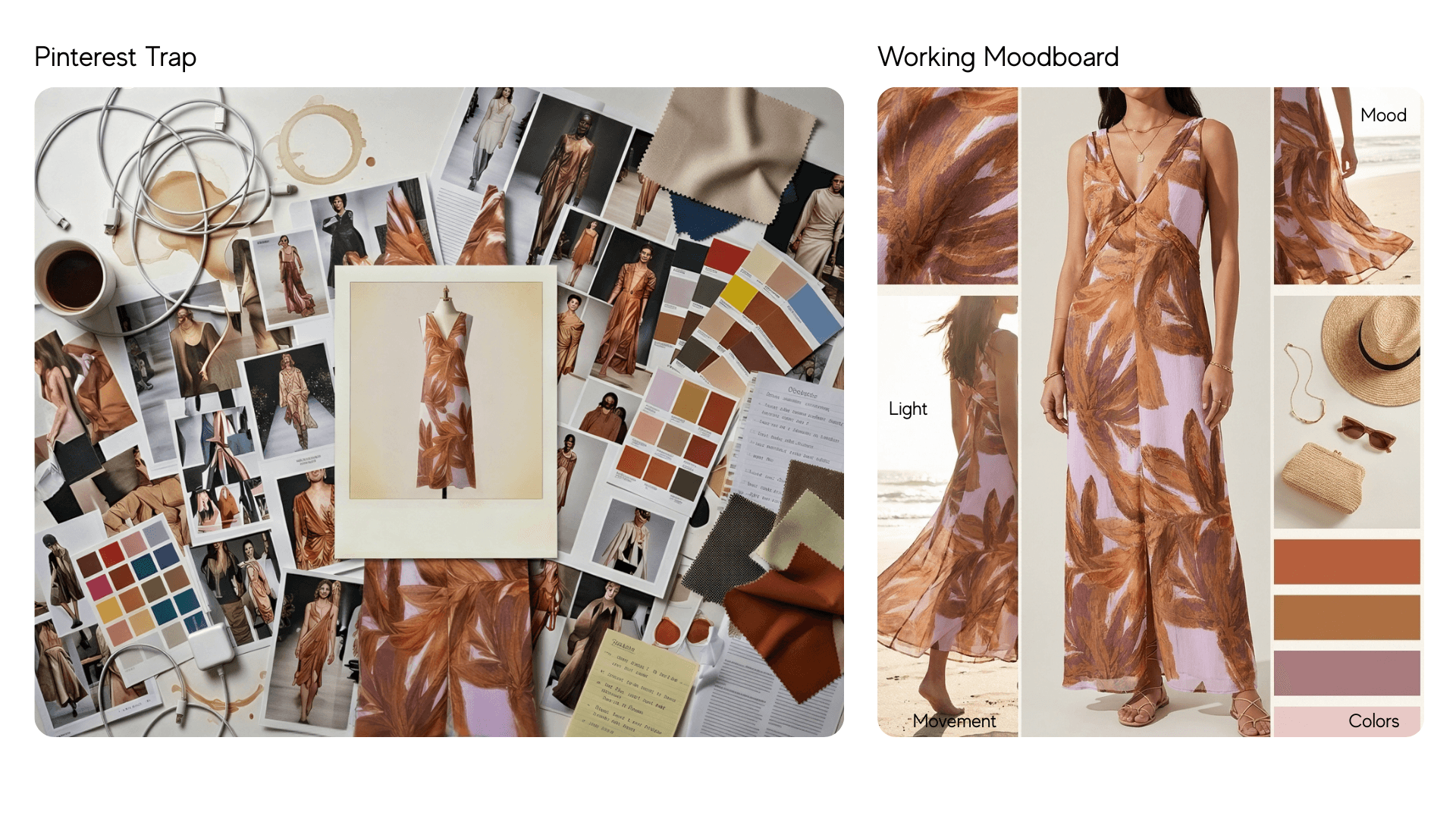
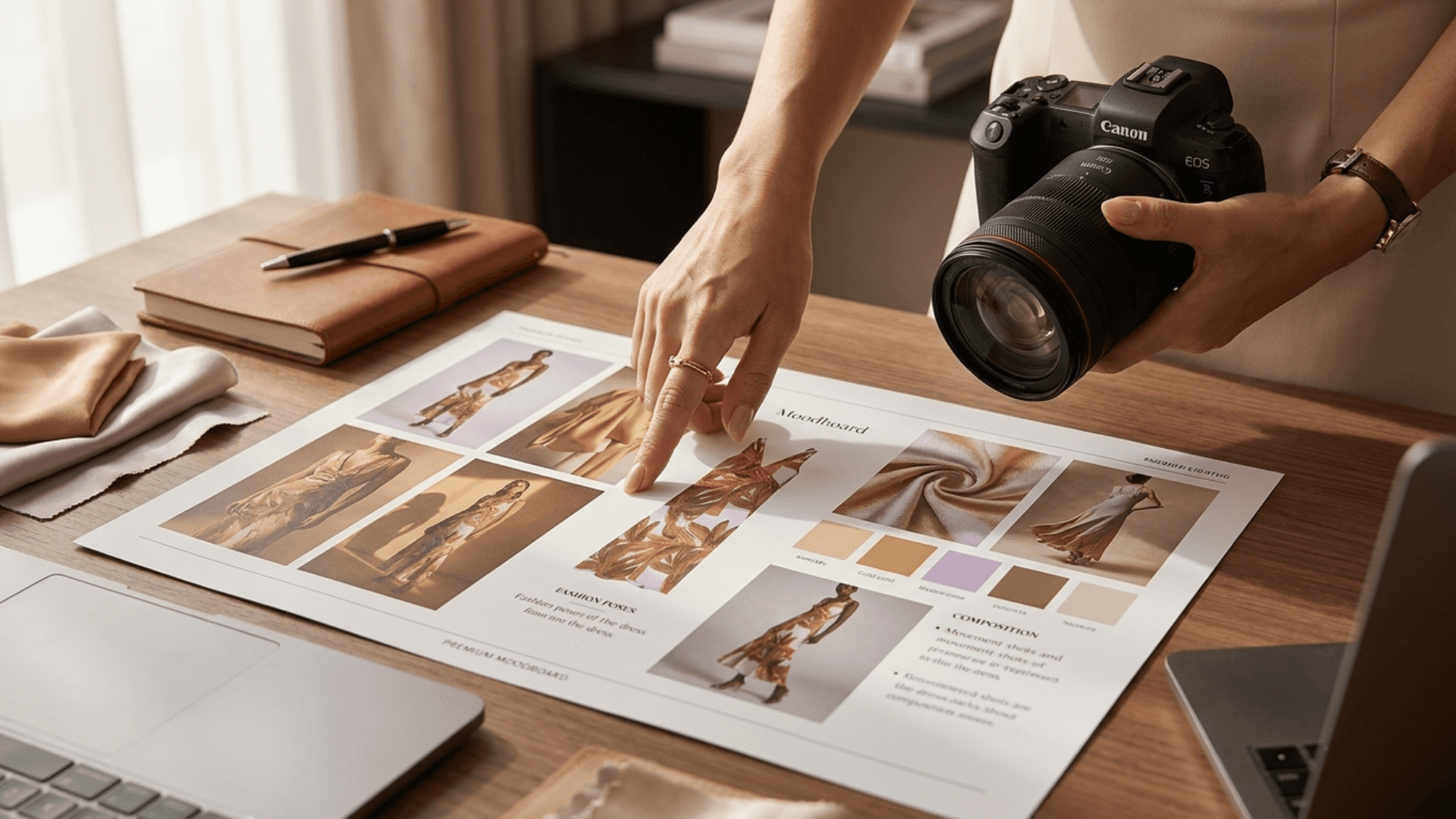
The moodboard is not a Pinterest board you made at midnight feeling inspired. Of course it can begin there, but it cannot end there.
A working moodboard for a campaign photoshoot is a living document that communicates intent to everyone involved: your photographer, your stylist, your model, your hair and makeup artist, your art director if you have one. It should contain inspiration imagery that, without fail, covers four things:
Mood — the emotional register you are after.
Light — quality, direction, time of day.
Colour story — not just a palette swatch, but actual images that live in those tones.
Movement — how bodies, fabric, and space relate in the world you are building for this campaign.
When I started in advertising in 2002, the process of assembling inspiration imagery was painstaking by today's standards. There was no WhatsApp to fire references across to a photographer at midnight, no cloud folder to share with six collaborators simultaneously, no secret Pinterest boards. Communication happened in meetings, over email checked once or twice a day, and on phone calls you had actually scheduled. Every creative decision had to be aired, confirmed, and documented, because there was no quick-fix culture to fall back on.
And crucially, the images themselves left very little room for error. We had just started shooting tethered to a screen with instant review, but my seniors functioned from an era when that wasn't possible, and post-production was expensive, slow, and limited in what it could actually rescue. If the lighting was wrong, it was wrong. If the mood wasn't in the frame, it wasn't coming in later. That environment produced a particular discipline: think everything through before the shoot day, not during it.
I am not attached to this process out of nostalgia. I share it because it works. The tools have changed completely; the rigour still needs to be the same. The best digital moodboards still operate with that same discipline: they edit ruthlessly. Thirty images pulling in different directions is not a moodboard. It is confusion with good taste. If you want a head start, Caimera's ready-made campaign templates are organised around these four decisions — a useful scaffold for a first-timer.
Your moodboard should be singular enough that a photographer you have never met can look at it and understand, without any doubt, the kind of image you are trying to make.
Write a Photoshoot Brief That Respects Everyone's Time
The photoshoot brief is the document that earns you respect as a brand owner before you have spent a single hour on set. In effect, it is the contract of understanding between you and every collaborator.
A proper photoshoot brief contains:
The brand story and campaign concept. Not more than a paragraph — really, not more than three or four lines.
The target audience profile.
The deliverables — how many final images, in what formats, for which platforms.
The mood and tone, referencing your moodboard.
Specific technical requirements. Do you need vertical crops for Instagram Stories? White space for text overlay? Product close-ups? Think it through and include everything. Do not assume someone will understand without you saying it.
Timeline for all actions and deliverables.
This may seem like overkill to anyone used to the new ways of working — but you will be surprised how much creative freedom a well-written brief actually unlocks. A vague brief forces a photographer and the rest of the team to guess, which means they default to their own aesthetic rather than yours. A precise brief creates the conditions for genuine collaboration. (For a worked example of how a clear brief translates into finished campaign imagery, see our guide to AI lookbooks and modern fashion photography.)
Model Casting: The Face Is Not Everything, But It Decides Everything
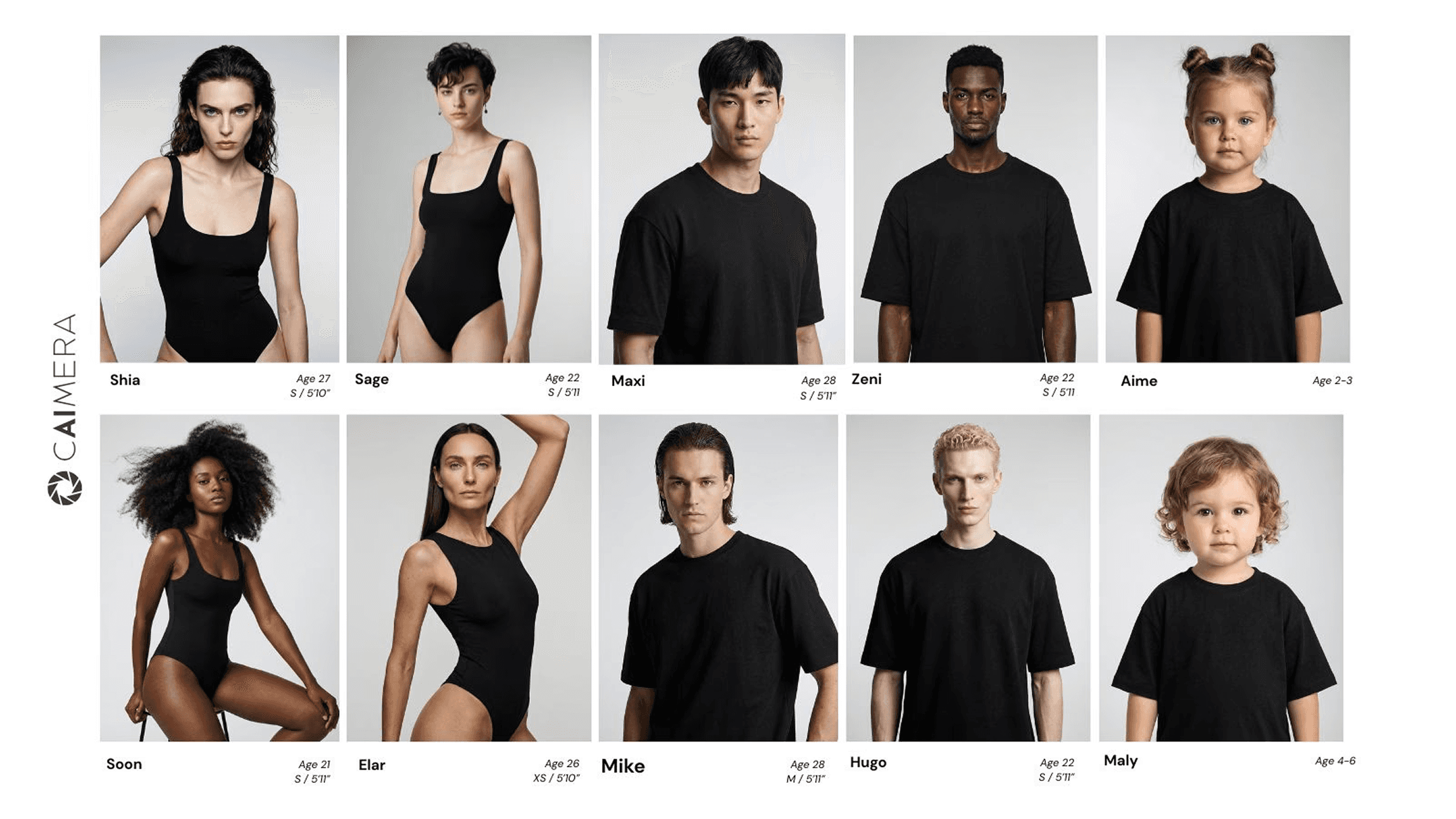
Model casting is one of the most misunderstood elements of a campaign photoshoot. Many new brands obsess over finding a face that is popular or conventionally striking, when what you actually need is someone who embodies the brand. Those are entirely different searches.
When you are casting, seek a person who looks like they actually belong to the world you are creating in the campaign. A good body and face are not enough. Does their energy — relaxed or charged, languid or precise — match what you are trying to communicate?
Think also about who your target audience sees themselves in, or who they aspire to see themselves in. Both are valid, but they are different creative strategies. Know which one you are making. (For brands experimenting with virtual casting to test a look before a physical shoot, Caimera's AI model library — Sage, Shia, Maxi and the rest — is a cheap way to previsualise.)
Choose Your Photographer as a Creative Partner
The photographer is not a technician you hire to point a camera at your vision. If you treat them that way, you will get technically correct images that are emotionally empty.
The right photographer for your campaign photoshoot is someone whose existing body of work demonstrates an instinctive understanding of light and composition that aligns with your brand sensibility. Look at their work several times over. Do they have the sensibility of the world you are trying to build? Does their handling of light — natural, studio, harsh, soft, dappled — match the quality in your vision and inspiration imagery?
Share your moodboard and your brief, have a proper conversation about the concept, and then give them room to bring their own intelligence to the project. Your photographer is your most important partner for the campaign; choose wisely. The campaigns that feel truly alive are almost always the result of a real creative dialogue. Industry publications like The Business of Fashion and British Journal of Photography are useful places to discover photographers whose point of view might match yours.
Lighting: The Decision You Cannot Fake in Post
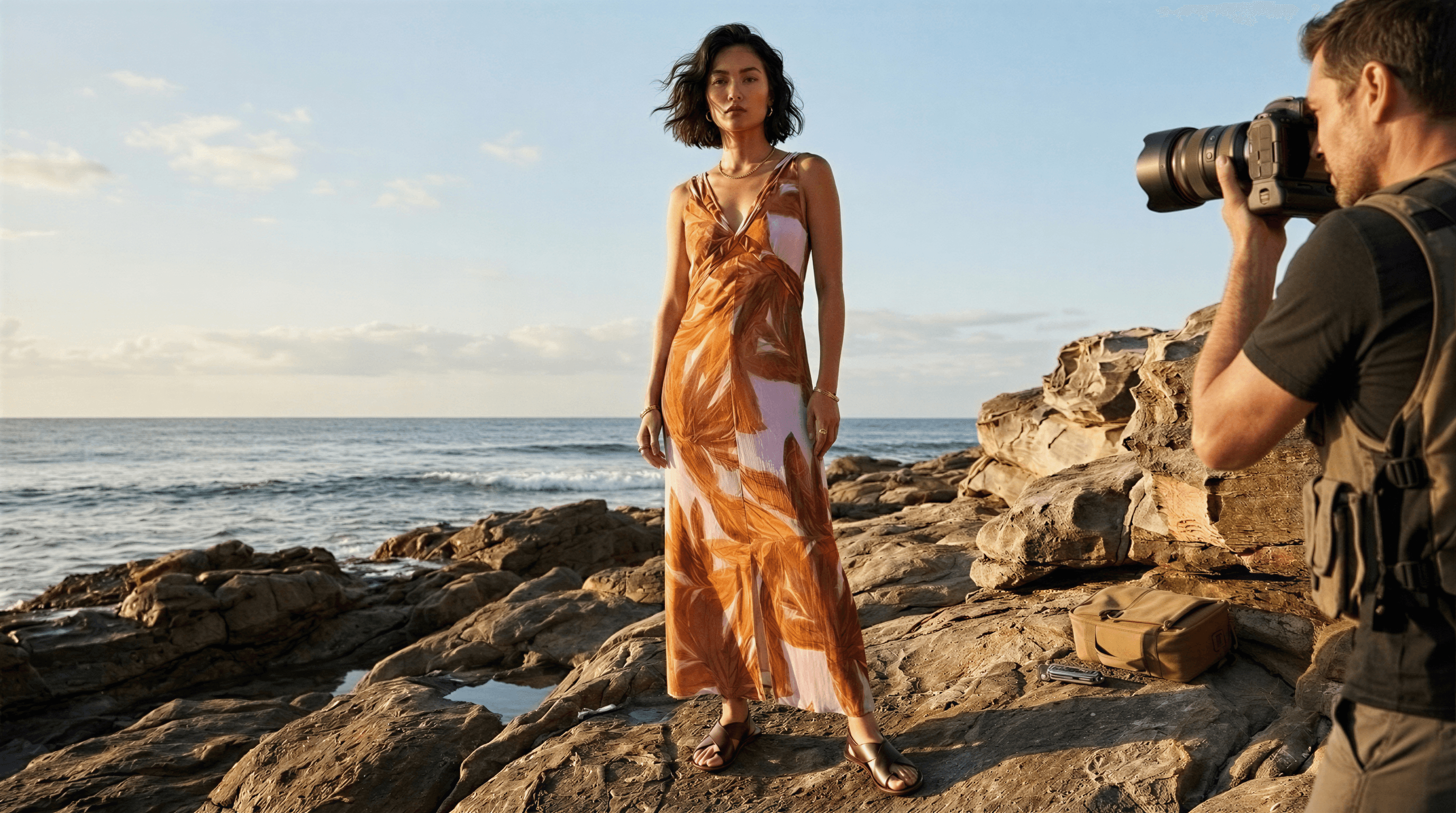
There is a deeply damaging myth — that lighting decisions can be fixed in post-production. They cannot. Not really. You can correct, adjust, apply a filter, and call it an aesthetic. But the quality of light that was actually present when the shutter opened is what gives an image its depth, its texture, its credibility.
Lighting is the first creative decision of a photoshoot, and it should be made consciously in advance, not improvised on the day. Do you want:
The flat, even brightness of an overcast sky that lets colour speak?
The raking golden quality of late afternoon sun that turns everything warm and dimensional?
The drama of a single studio light creating deep shadow?
The controlled, repeatable precision of a full studio setup that lets you reproduce the same quality across every frame?
Each of these is a valid choice. None is better than the others. But each produces a fundamentally different image, and each communicates something different to the customer looking at it. Brief your photographer about the desired lighting well in advance. Do not worry about being seen as someone who micro-manages. This is what preparation means. If you want to test how a lighting direction will feel on your actual product before committing to a shoot day, Caimera's editorial generator, Fluid, is a fast way to previsualise mood and light across a few concepts.
A Good Call Sheet Prevents Bad Blood
There is a moment in the preparation for every photoshoot where the practical and the creative collide, and that moment is the call sheet.
A call sheet is the operational document that tells every person involved in the photoshoot exactly where they need to be, when they need to be there, what they need to bring, and what the plan is for the day. It must include:
The shoot date and location address.
Call times for each collaborator and team — model, photographer, lighting, stylist, hair and makeup.
The shot list, in order of priority.
The client or brand contact if you are an agency; emergency numbers.
Any location-specific notes.
I have noticed young brand owners sometimes feel sheepish sending a formal call sheet for a small shoot. Do not. A call sheet communicates that you take the project seriously, that you have thought through the logistics, and that you value other people's time. It also protects you — if something goes wrong on the day, a call sheet means everyone was working from the same information. (StudioBinder has a solid call-sheet primer if you want a template to adapt.)
How to Choose the Right Images
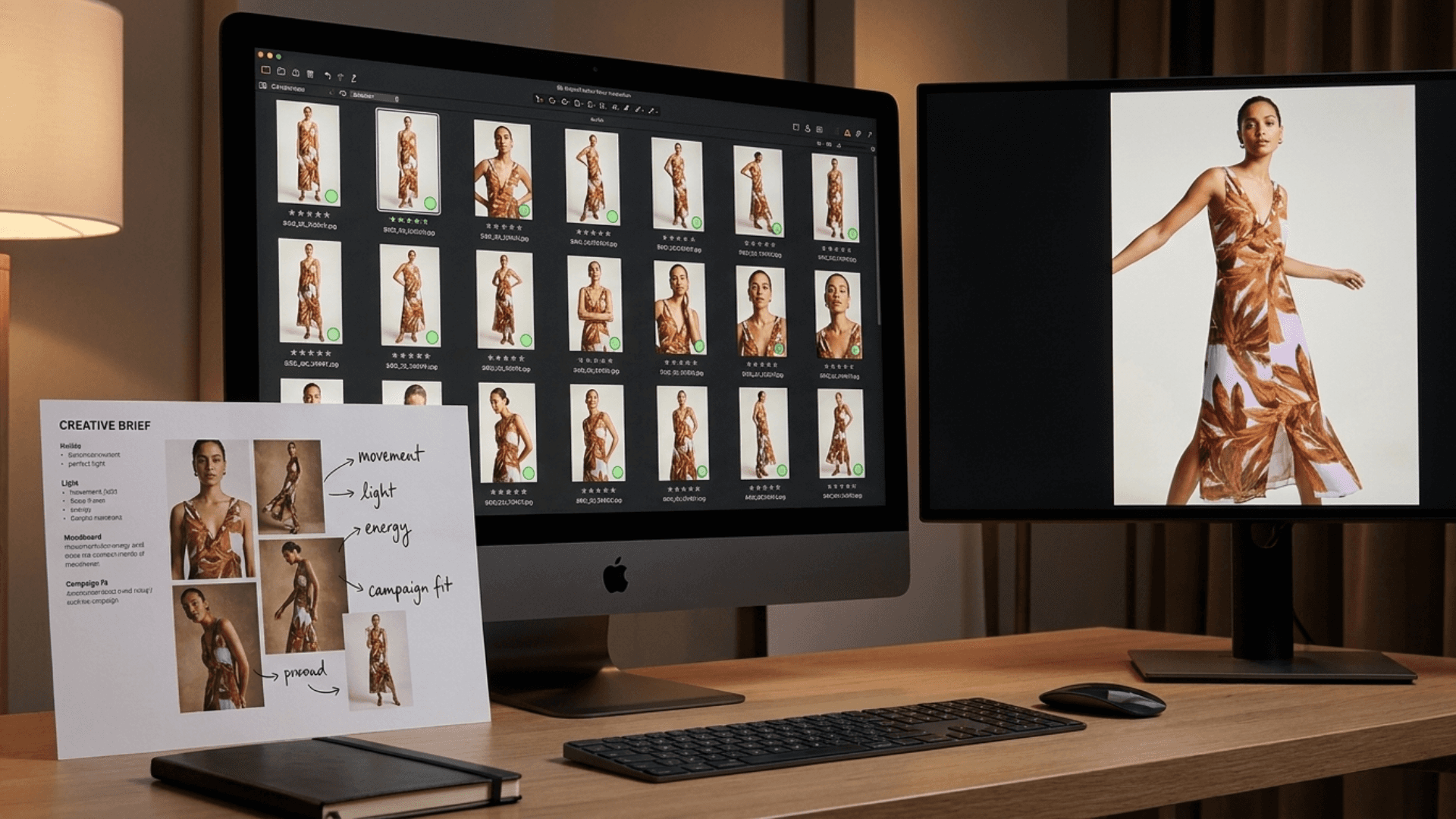
After the shoot, your photographer will provide a digital contact sheet — a folder or document showing small thumbnail versions of every frame captured during the session. This is where the creative work of post-production begins.
Looking at a contact sheet requires a different eye than looking at a finished image. You are looking for potential, not polish. You are looking for the frame where the movement was right, where the light caught as it should, where the model's energy was precisely what you needed.
Review your contact sheet with your brief in your hand. Which frames deliver on what you said you needed? Which exceed it in ways you had not anticipated? And which, however beautiful in isolation, belong to a different campaign than the one you were making?
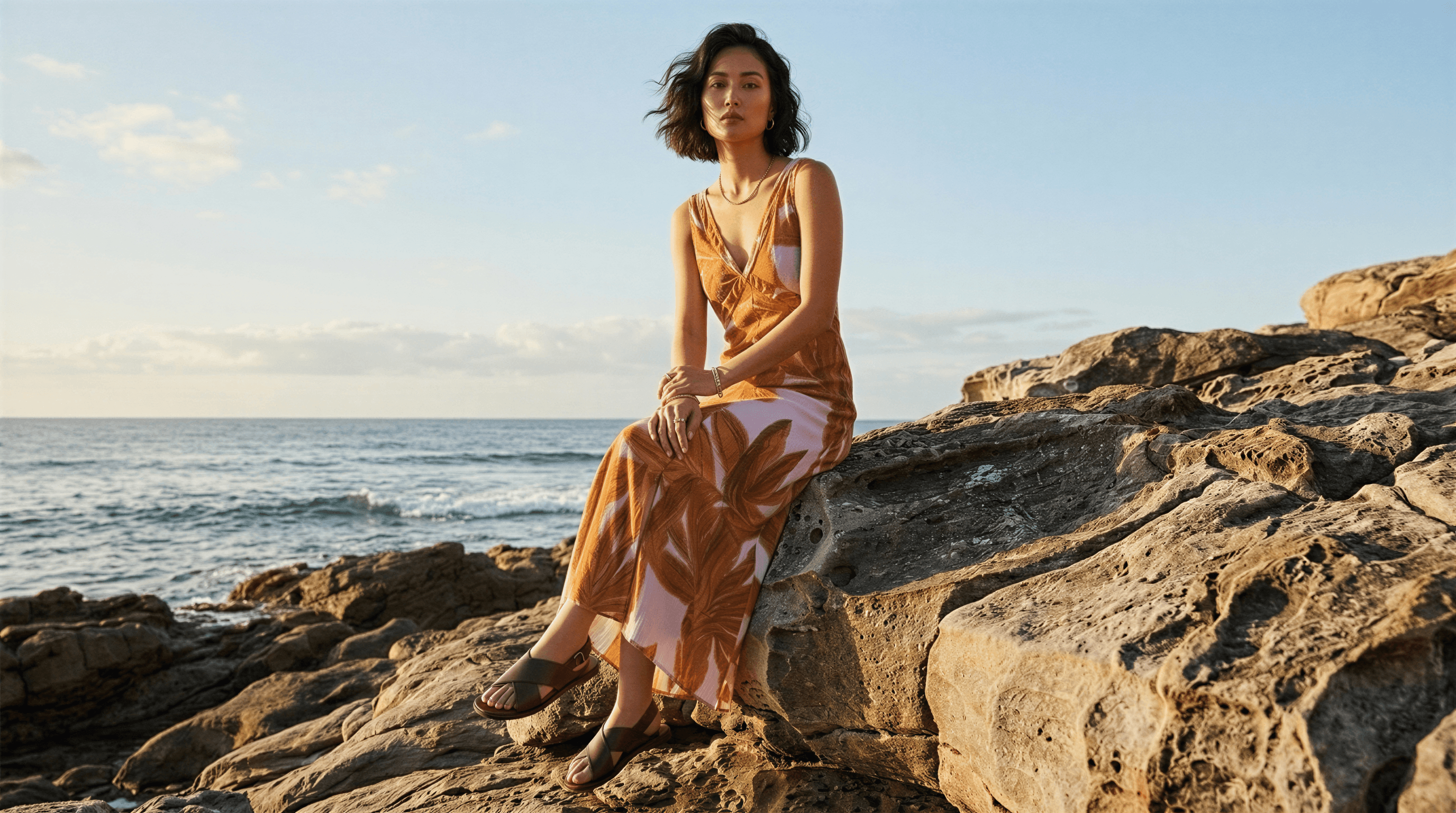
Where AI Fits (and Where It Doesn't) in 2026
A word to any young brand owner reading this in 2026: AI has genuinely changed parts of this process, and it is worth being clear about which parts. I say this as someone who spent twenty years defending the craft of an on-set shoot.
What AI does genuinely well now.
Catalog volume. A flatlay on Monday becomes fifty on-model PDP shots by Tuesday. Tools like Flatlay to Catalog have compressed the single most tedious layer of a fashion business — the "every SKU needs a clean on-model shot" layer — from weeks to hours.
Previsualisation. Before you commit a studio budget, you can generate a mood, a model, a lighting direction, a colour story, and see whether your moodboard holds up as an actual image. This is what editorial generation tools like Fluid are useful for — not as the campaign itself, but as a rehearsal of it.
Post-shoot multiplication. One physical campaign shoot can be recut into every channel, locale, and season without another flight or another studio day. That is real leverage.
Comparing workflows honestly. If you are weighing AI-first production against a traditional shoot, our breakdown of traditional versus AI fashion photography lays out what each actually costs and produces.
What AI does not replace.
The discipline of writing a brief. Nothing automates that.
The unplanned gesture a good model gives you that wasn't in the moodboard.
The light that wasn't in the plan but is somehow more right than anything you briefed.
The trust you build with a photographer you picked because they saw something.
The brands I admire most in 2026 treat AI as part of the production stack — catalog, previsualisation, channel-multiplication — and treat their campaign shoot as the place they still show up with a brief, a crew, and real light. The discipline did not go away. It moved earlier in the process.
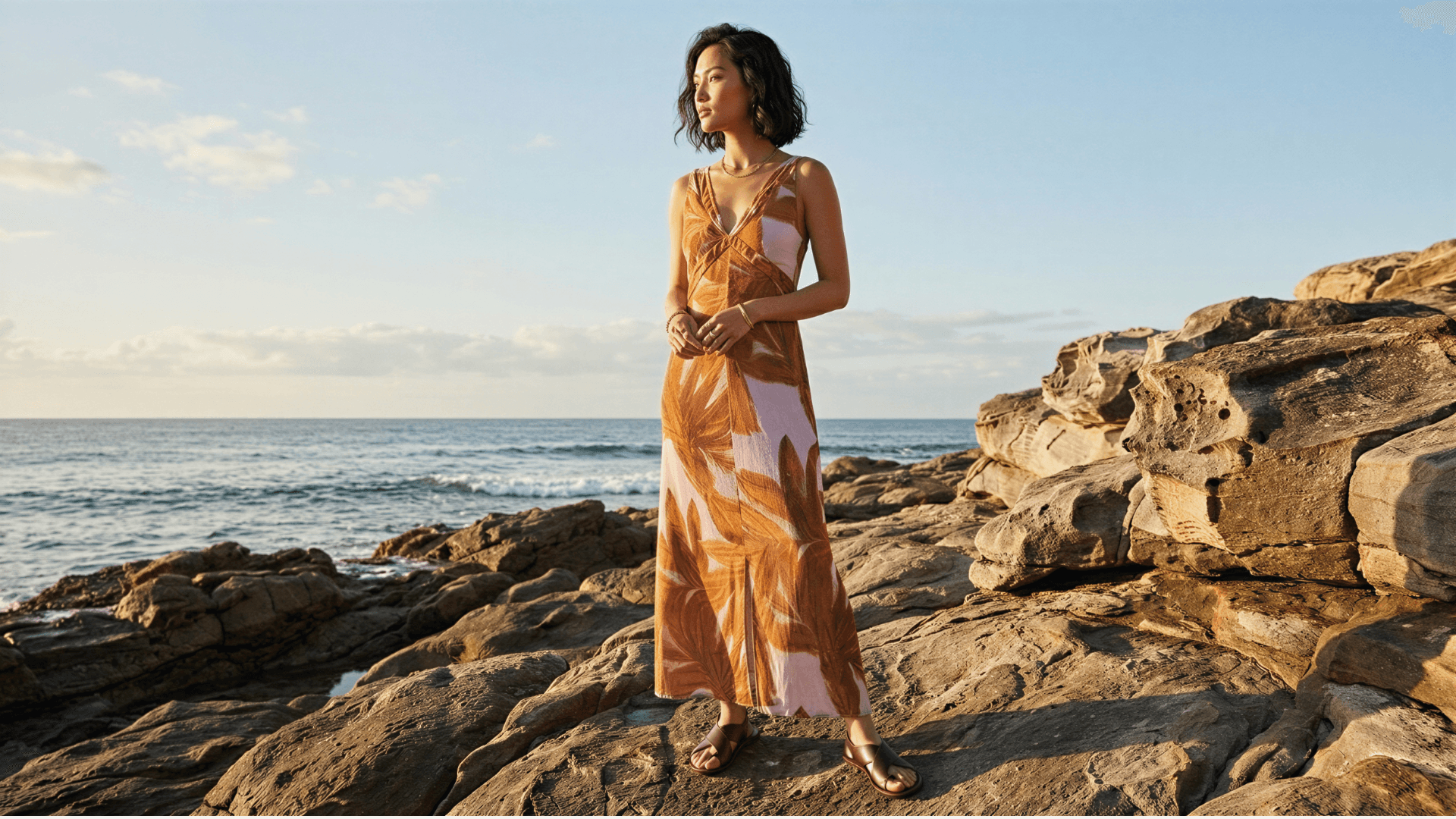
After the Planning Comes the Patience
A well-planned campaign photoshoot is an exercise in controlled intention. The goal is never to arrive on set and improvise your way to something great. Those moments happen, and when they do, they are glorious. The goal is to prepare so thoroughly that you are free to notice the unexpected — to respond to the light that wasn't in the moodboard but is somehow more right than anything you planned.
That creative freedom — the freedom that comes from rigorous preparation — is what separates campaigns that feel considered from campaigns that feel lucky. Luck runs out. Preparation compounds. You can always tell a shoot has been well planned the moment you set foot on set or location. As someone who has been to hundreds of shoots across product categories, I can say the difference is palpable.
Your first campaign photoshoot will not be perfect. Neither was mine, and I had a production budget, a senior photographer, and a huge agency infrastructure behind me. But if you do the work of planning — the brief, the moodboard, the casting conversation, the lighting decision, the call sheet — you will walk away with images that tell the truth about your brand. And that is worth more than any lucky shot.
Frequently Asked Questions
How long does it take to plan a fashion brand campaign photoshoot? Plan on four to six weeks for a proper first campaign shoot: one to two weeks on audience and moodboard, one week on brief and casting, one week on photographer selection and pre-light, a week to build the call sheet and confirm logistics. Rushing any one of these is where cost overruns begin.
What should a fashion photoshoot brief include? A working brief includes six things: the brand story and campaign concept (three to four lines), the target audience profile, the deliverables by format and platform, the mood and tone with moodboard reference, specific technical requirements (crops, text overlay space, close-ups), and a full timeline. Vague briefs force the team to guess — and they will default to their aesthetic, not yours.
How much does a first fashion campaign photoshoot cost in 2026? A modest first campaign shoot in 2026 still ranges from roughly $3,000 to $25,000 depending on photographer, location, model, and crew size. That is why more young brands now use AI-first workflows like Caimera's Flatlay to Catalog for SKU coverage and reserve physical shoots for hero editorial imagery.
Can AI replace a fashion campaign shoot? No — not for a true editorial campaign. AI replaces the catalog layer (every SKU on-model) and the previsualisation layer (rehearsing a moodboard as an actual image). The hero campaign itself still rewards a real brief, a real photographer, real light, and a real model. Think of AI as a production tool, not a brief-killer.
What's the difference between a moodboard and a shot list? A moodboard communicates intent — the emotional register, light quality, colour story, and movement your campaign is after. A shot list is operational — the exact frames you need to capture on shoot day, in priority order, to satisfy the brief. You need both, and the shot list should descend cleanly from the moodboard.
About the Author
 | Shivangini's career can be split in two clear halves. The first: working in multinational advertising agencies that managed and created campaigns for some of the biggest brands, across industries, in the country. The second: building a brand of her own — The Summer House, one of India's earliest sustainability-focused fashion brands. Over the last decade, the brand has come to be known for its creative storytelling and fabulous fashion campaigns. Her interests lie in farming, writing, and raising a teenage daughter to be a terror. |
Ready to plan your next campaign? Start with a moodboard that survives first contact with a shoot day. If you want to test a lighting direction or a model before you book a studio, try Caimera free — fifty credits, no card, no commitment. For Enterprise teams running custom brand models or digital twins, request a demo.